
Madrid Neighbourhoods
Los Austrias: the historic heart of old Madrid
3 min read
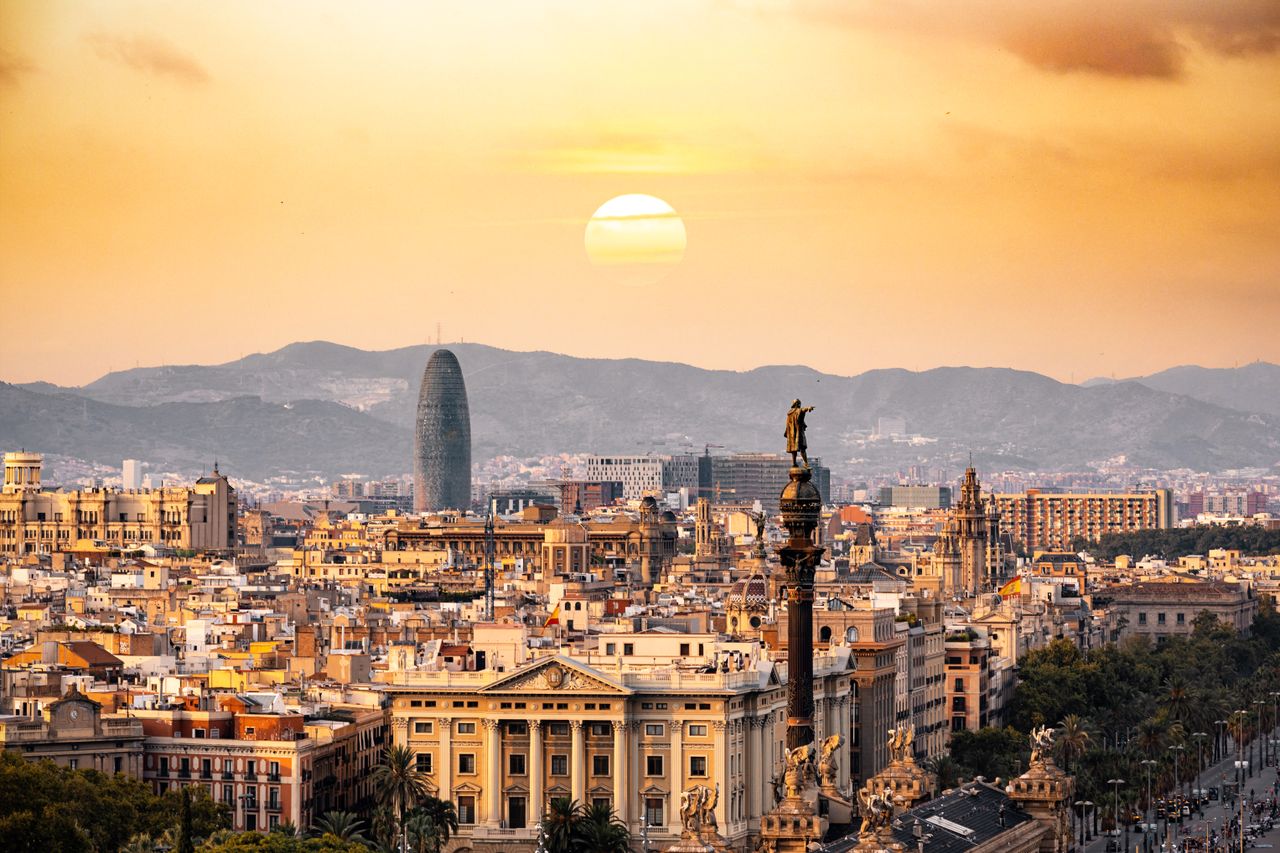
If there is one neighbourhood in Madrid that has managed to hold on to the memory of the city's origins, it is Los Austrias. Also known as Madrid de los Austrias — a nod to the Habsburg dynasty that shaped it — this is where the capital began to take shape as we know it today.
The name refers not to the country of Austria but to the ruling house that governed Spain from the sixteenth century onwards: Charles I, Philip II, Philip III and their successors. It was under their reign that Madrid was elevated to the status of capital, and it was on these very streets that the court, the markets, the churches and the guilds of a new imperial city were organised.
Plaza Mayor: the heart of the neighbourhood
Plaza Mayor is the defining space of Los Austrias. Constructed at the beginning of the seventeenth century, it served as a stage for royal proclamations, bullfights, trials, celebrations and markets for several centuries. Today it remains a living square — busy with terraces in summer, atmospheric in winter — though the original function of its arcades has been replaced by restaurants, souvenir shops and street performers.
The plaza was designed under Philip III, whose equestrian statue stands at its centre. The surrounding buildings, with their characteristic ochre facades and slate spires, have been rebuilt several times following fires but have always maintained the original structure.
The streets around: medieval layout in a modern city
What makes Los Austrias distinctive is its street pattern. Unlike the orderly grids of the Ensanche districts, the streets here are narrow, irregular and often unexpected: they converge, split and disappear into passages. This is the mark of a medieval city that grew without a master plan.
Calle Mayor connects the plaza to the Palacio Real and the Almudena Cathedral. Calle Segovia dips down into what was once a ravine. Calle de la Cava Baja — now lined with traditional restaurants and taverns — follows the route of the old city wall.
In between, there are corners that feel unchanged: stone arches, ceramic tile plaques with historical inscriptions, small squares like Plaza de la Villa or Plaza del Cordón where time seems to move at a different pace.
A neighbourhood to live in, not just to visit
Los Austrias receives a large volume of tourists, but it is also a genuine residential neighbourhood. The population is mixed, ranging from longtime residents — some families have been here for generations — to young professionals attracted by the central location, and international residents drawn by the cultural density.
Property in the neighbourhood is expensive and properties are often small, given the age of the buildings. But for those who value being within walking distance of everything that defines Madrid, the trade-off is a deliberate one.
If you are exploring where to live in central Madrid, Los Austrias offers something that newer neighbourhoods cannot: the sense of being inside the city's history rather than next to it.
At Aedara we know the central Madrid market well. If you are considering buying or renting in this area, tell us what you are looking for.
Related articles
Madrid Neighbourhoods
Pozuelo de Alarcón: the preferred choice for international families in Madrid
12 April 2026
Madrid Neighbourhoods
Guadarrama: living at the foot of the sierra and working in Madrid
12 April 2026
Madrid Neighbourhoods
Chamartín and the Bernabéu: where Madrid's prestige meets modern living
11 April 2026